
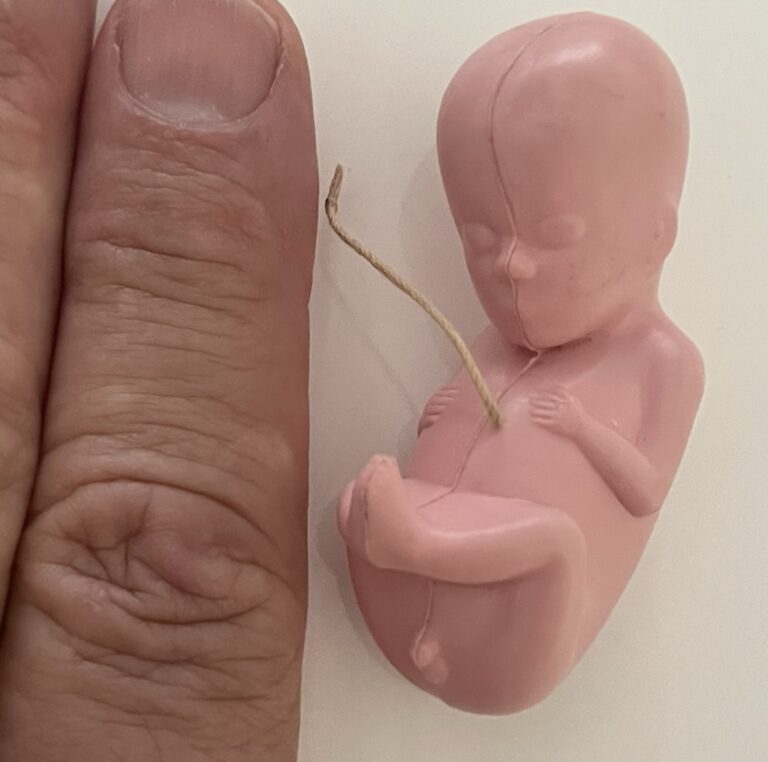
Womb Memories Part 4
Trauma in the first and second trimester
In part 1, we discussed whether it was possible for developing humans to even have memories.
In part 2, we answered the question whether these memories are genuine. How do you tell? We gave an example.
In part 3 we looked at birth memories and how the birth process, particularly the use of forceps, frequently leads to ongoing head, neck and skeletal pain that can be lifelong and quite debilitating.
If you missed these articles, you can go to our website www.anazao.com.au and click on “Updates” and read the September, October and November updates.
In part 4, we will look at trauma in the first and second trimester.
The obvious question is, “How can a baby in the first or second trimester feel pain or endure trauma when they are cocooned with a buffer of protective amniotic fluid in which they float and zip around?”
The answer will astound you!
In part 2, we looked at the example of a late third semester pregnancy where the baby received a back injury when the mother’s belly was impacted strongly by the force of the steering wheel as she rear-ended another vehicle. The connection is expected and obvious.
If this accident happened in the first or second trimester, the mother had no extended belly and therefore no impact with the steering wheel but as her head went forward on impact and hit the steering wheel and then snapped back, she will have experienced forehead pain and whiplash.
At that instant, the baby in womb will also experience head pain and whiplash! Despite being cocooned in fluid and there being no direct connection between herself and her mother’s injury, she will still feel the same pain in the same places, both physical and emotional, that her mother is experiencing. Fascinating!
Why does this happen? Although the baby is a distinct individual, biologically different from her mother and the blood of the baby never mixes with the blood of the mother, there is still an extremely strong spirit, soul and body connection between the two. What the mother is experiencing emotionally, the baby experiences. If the mother is domestically abused by her husband, the baby feels the fear, powerlessness, perhaps terror and the physical injury in the same places. It’s what we call very strong soul ties.
If identical twins, geographically separated, can feel the physical pain in the same place that the other twin is experiencing directly, then it shouldn’t surprise us that the same would happen, but even stronger, if one human being is inside another and connected with an umbilical cord!
In part 5, we will look at rejection in the womb.